Funeral Etiquette and Traditions
Panebaker Funeral Home & Cremation Care Center, Inc. shares guidance on respectful traditions and guest etiquette. Call (717) 637-5194 for caring support.

Attending a funeral or memorial service is an important way to support a grieving family, yet many guests worry about what to wear, what to say, or how to behave. Families and guests considering funeral homes near Hanover, PA, can benefit from understanding that good funeral etiquette is primarily about respect, consideration, and sensitivity. Customs may differ among families, faiths, and cultures, but sincere support and careful attention to the family's preferences provide a dependable foundation.
Traditions can bring familiarity and meaning during an emotional time. At Panebaker Funeral Home & Cremation Care Center, Inc., we recognize that services can reflect religious beliefs, cultural customs, family practices, and individual wishes. Guests do not need to understand every tradition before attending. We can show respect by following the family's guidance, observing the ceremony thoughtfully, and remembering that our presence is ultimately about supporting those who are grieving.
Dress With Respect for the Occasion
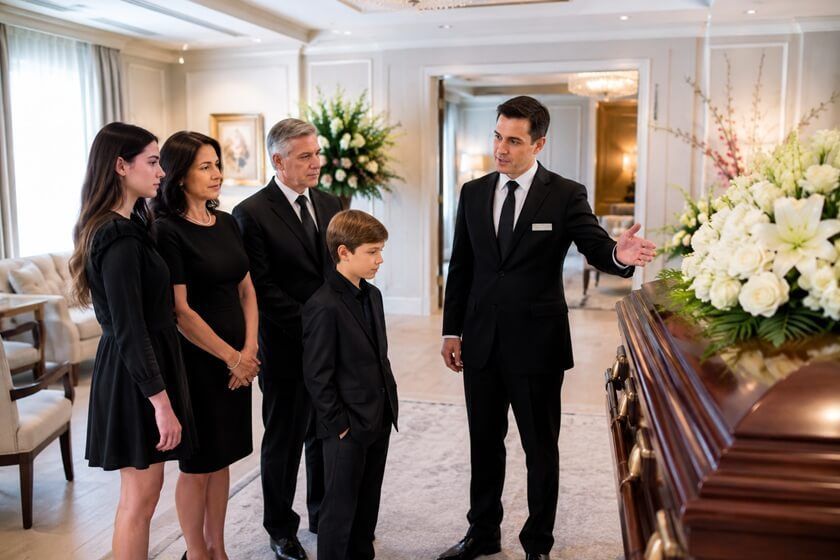
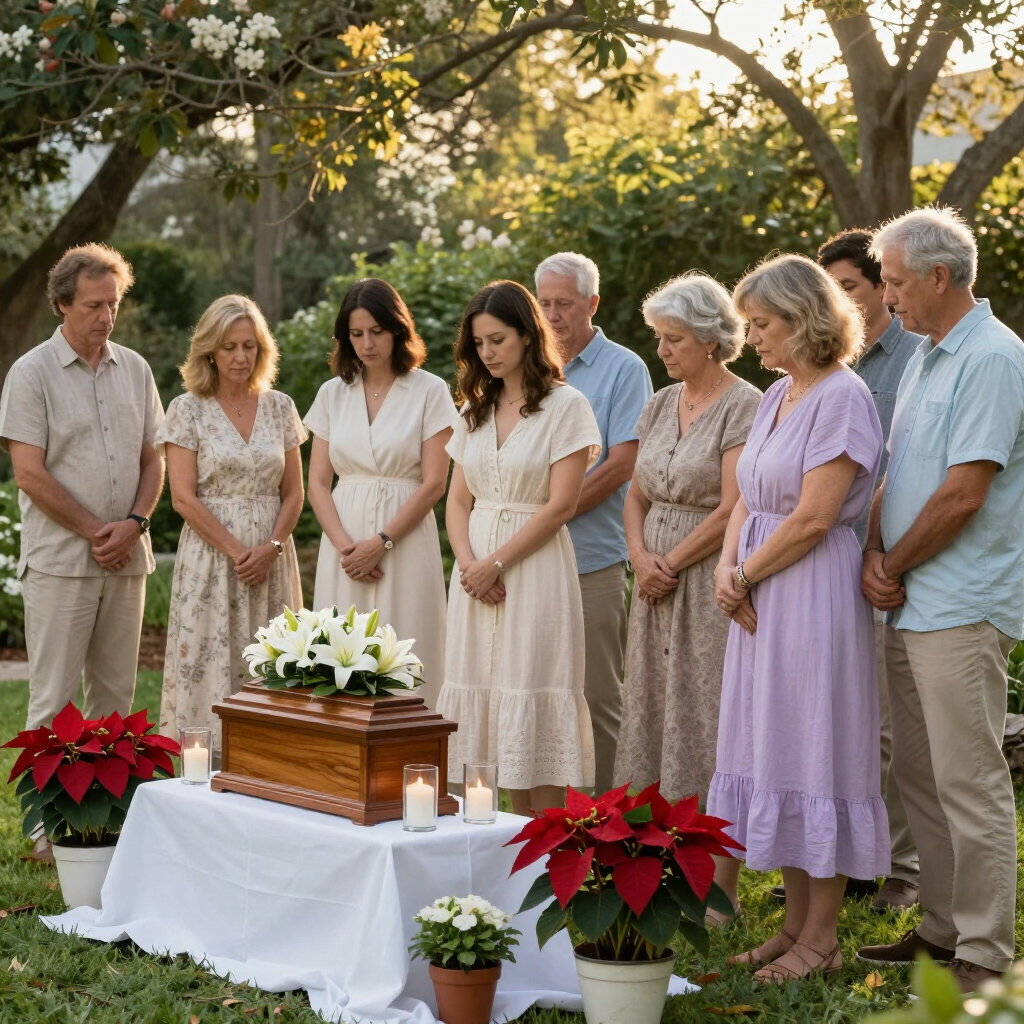
Funeral attire has become more flexible, but clothing should generally remain respectful and appropriate for the setting. Dark or subdued colors are common choices, although black is not always required. Some families may specifically request colorful clothing, casual attire, uniforms, or another style connected to the person being remembered.
Before attending, we can consider:
- Any dress instructions provided by the family
- The religious or cultural setting of the ceremony
- Whether the gathering will be indoors or outdoors
- Clothing that is comfortable without drawing unnecessary attention
When there are no specific instructions, simple and conservative attire is usually a thoughtful choice. Our guidance on respectful funeral attendance also emphasizes awareness of the family's customs. The goal is not to follow a rigid fashion rule, but to ensure our appearance supports the respectful atmosphere of the gathering.
Know What to Say to a Grieving Family
Many people worry that they will say the wrong thing. In practice, brief and sincere words are often more comforting than a lengthy attempt to explain grief. We can express sympathy, share a warm memory, or simply acknowledge how much the person meant to us.
Helpful approaches include:
- Offering a simple expression of sympathy
- Sharing a brief and appropriate memory
- Listening when family members want to talk
- Keeping the focus on the grieving family
- Respecting someone who does not feel ready for conversation
We should avoid comparing losses or telling someone how they should feel. Grief is personal, and each person responds differently. Sometimes quiet presence communicates more care than carefully prepared words. A handshake, hug when welcomed, or sincere expression of support can be enough.
Respect Religious and Cultural Customs
Funeral traditions can vary significantly. A ceremony may include prayers, readings, music, periods of silence, ceremonial gestures, or family customs that are unfamiliar to some guests. We do not need to participate in a practice that conflicts with our beliefs, but remaining quiet and attentive shows respect.
Families planning traditional funeral services may incorporate visitation, a ceremony, and a graveside committal, while other families may choose a different sequence or setting. Guests should follow instructions from the officiant, funeral professionals, or family members when appropriate.
If we are uncertain about a custom, observing others can often provide guidance. Respectful curiosity is appropriate, but the day of the service may not be the best time to ask grieving relatives for detailed explanations of their traditions.
Practice Courtesy During the Service
Small actions can affect the atmosphere of a funeral. Arriving early gives us time to find a seat without interrupting the ceremony. Mobile devices should be silenced, and conversations should remain quiet before and after the service.
Thoughtful etiquette includes:
- Arriving before the scheduled starting time
- Following seating directions when provided
- Silencing phones and other electronic devices
- Avoiding photographs unless the family welcomes them
- Remaining attentive during readings and remarks
- Allowing immediate family members appropriate privacy
- Following instructions during a procession or committal
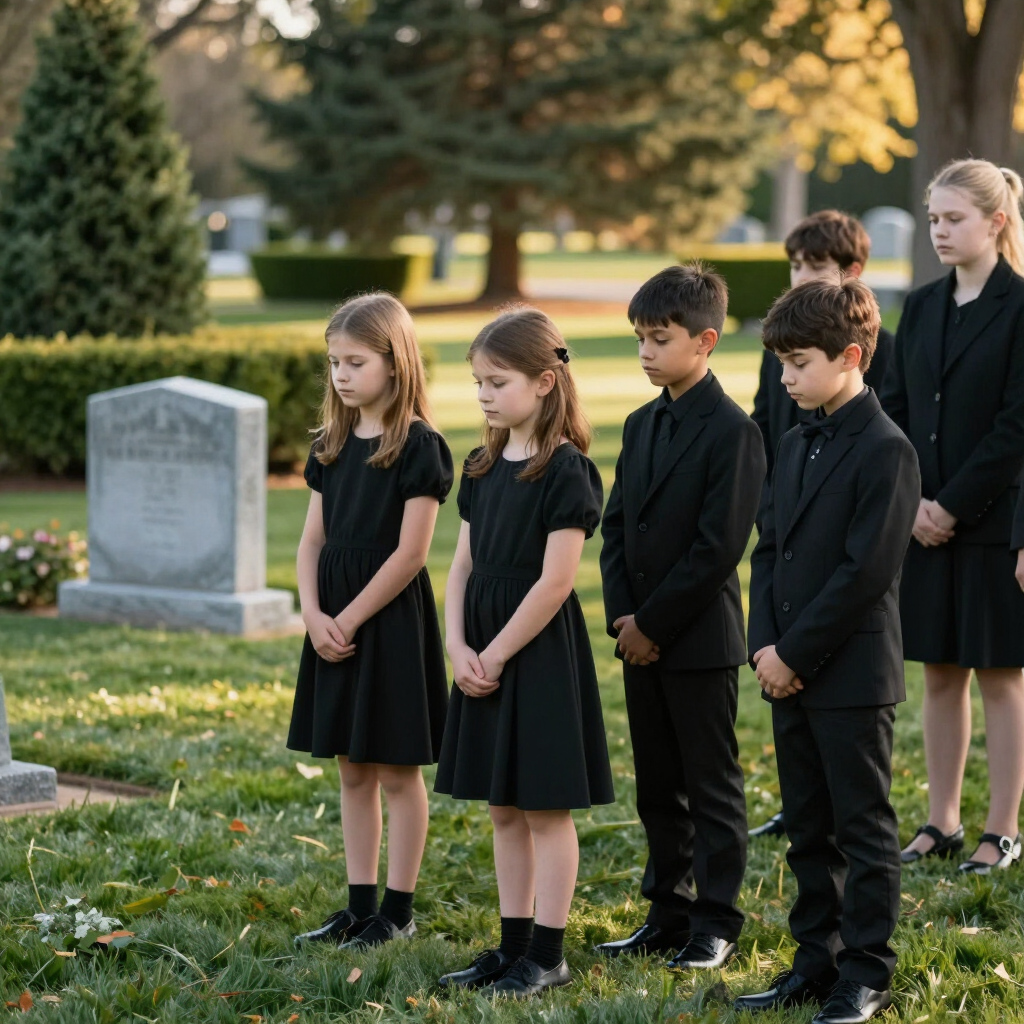
Children may also attend services when families feel participation is appropriate. Preparing them beforehand can help them understand what they may see and how the gathering might feel. Expectations should remain suitable for their age, with patience for children who need a break from the ceremony.
Continue Caring After the Gathering
Support does not have to end when the service concludes. The following days and weeks can become quieter as relatives and friends return to their regular routines. A thoughtful note, prepared meal, practical assistance, or sincere message can remind a grieving person that support remains available.
We can continue showing care by remembering important dates, listening without rushing conversations, and offering specific help when appropriate. Traditions surrounding remembrance may continue through anniversaries, holidays, religious observances, or family gatherings.
Funeral etiquette is not a complicated set of rules. It is a way of showing consideration when families are navigating a significant loss. By respecting traditions, listening carefully, dressing appropriately, and remaining attentive, we help preserve the purpose of the gathering as a time for remembrance and connection. For families considering funeral homes near Hanover, PA, Panebaker Funeral Home & Cremation Care Center, Inc. provides compassionate guidance for meaningful services shaped around individual wishes and family traditions. Speak with our experienced team for thoughtful guidance in planning a service that reflects your family's values and gives every guest a meaningful way to offer support.