Cremation Regulations and Laws You Should Know
Panebaker Funeral Home & Cremation Care Center, Inc. explains cremation requirements and options. Call (717) 637-5194 for trusted guidance today.
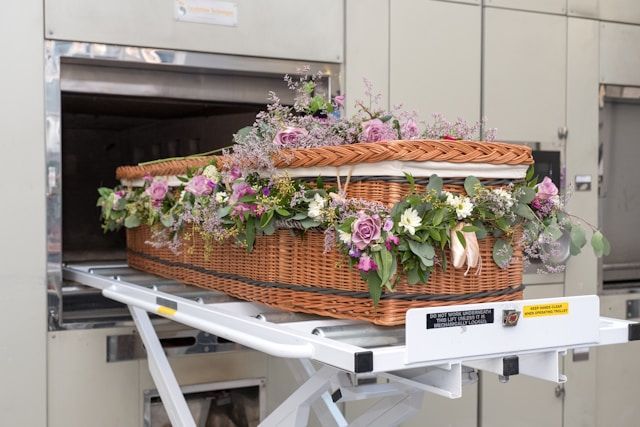
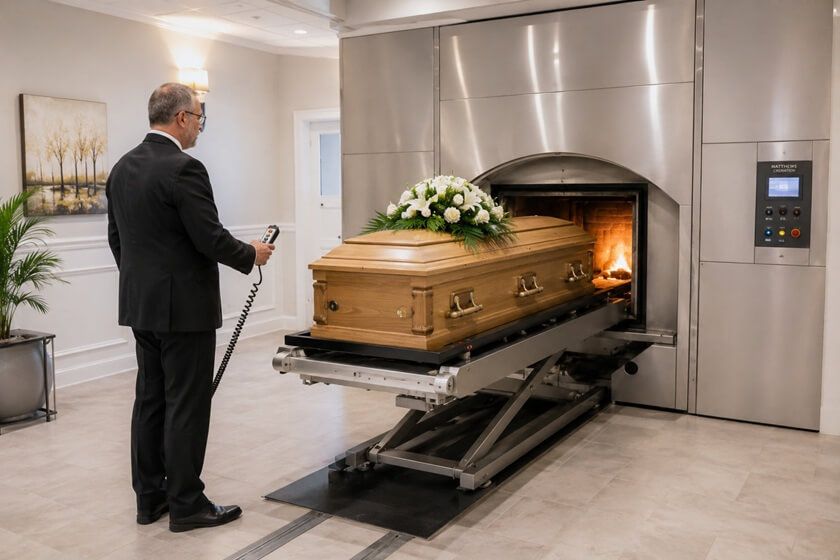
Understanding the legal requirements surrounding cremation can help families feel more confident when making arrangements. While the process is designed to be straightforward, several regulations exist to protect individuals, ensure proper authorization, and maintain respectful standards of care. For families researching cremation services near Parkville, PA, becoming familiar with these requirements can help avoid confusion and support informed decision-making during an emotional time.
Laws governing cremation vary by state, but many regulations share similar goals. They establish procedures for identification, authorization, documentation, and handling throughout the process. At Panebaker Funeral Home & Cremation Care Center, Inc., we believe that understanding these legal considerations helps families navigate arrangements with greater peace of mind and clarity.
Authorization Is Required Before Cremation
One of the most important legal requirements involves obtaining proper authorization before cremation can take place. In most situations, the next of kin or legally authorized representative must provide written consent. This authorization verifies that the family has chosen cremation and confirms who has the authority to make that decision.
Documentation requirements help prevent misunderstandings and ensure that wishes are carried out appropriately. Families are often asked to review and sign several forms that outline the details of the arrangement. While paperwork may seem overwhelming during a difficult time, these safeguards exist to protect everyone involved and ensure compliance with applicable laws.
Waiting Periods and Documentation Requirements
Many states require a waiting period before cremation can occur. These waiting periods allow time for the completion of necessary documentation and help ensure that all legal requirements have been satisfied. The length of the waiting period varies by jurisdiction, making it important to work with knowledgeable professionals who understand local regulations.
Families can often gain a better understanding of these procedures through discussions about cremation process basics which explain the steps involved from authorization through final disposition. Understanding what to expect can reduce uncertainty and help families feel more prepared throughout the arrangement process.
In addition to authorization forms, death certificates and permits may also be required before the process can proceed. These documents help maintain accurate records and ensure compliance with state and local laws.
Identification and Tracking Procedures
Strict identification standards are an essential part of modern cremation regulations. Funeral providers follow detailed procedures designed to maintain accurate identification throughout every stage of care. These measures help ensure that the correct individual is being cared for and that all records remain consistent and accurate.
Identification protocols typically begin when the individual comes into professional care and continue through final disposition. Tags, documentation systems, and verification procedures help create multiple layers of accountability.
These safeguards provide reassurance to families and reflect the industry's commitment to maintaining dignity, respect, and accuracy. Knowing that careful identification procedures are in place often helps families feel more comfortable with the process.
Rules Governing Final Placement Options
After cremation has taken place, families have several options for the final placement of remains. However, various laws and regulations may apply depending on the chosen option. Requirements can differ regarding cemeteries, memorial gardens, private property, and other locations.
When considering memorialization choices, families often appreciate learning about the options available through professional cremation planning services, which can help explain legal considerations and available alternatives. Understanding applicable regulations beforehand can prevent unexpected complications and help families make decisions that align with both personal wishes and legal requirements.
Because regulations vary, seeking guidance from experienced professionals is often the most effective way to ensure compliance while honoring individual preferences.
Why Professional Guidance Matters
Cremation laws continue to evolve as regulations adapt to changing preferences and industry standards. Staying informed about current requirements can be challenging for families who are already navigating grief and making important decisions.
Working with knowledgeable professionals helps simplify the process by ensuring that documentation, permits, timelines, and procedures are handled properly. This guidance allows families to focus on honoring their loved one rather than worrying about regulatory details.
Clear communication and attention to detail are especially important when legal requirements are involved. Experienced funeral professionals can answer questions, explain options, and provide reassurance throughout the arrangement process.
Understanding cremation regulations can help families approach planning with confidence and peace of mind. While laws and requirements may seem complex at first, their purpose is to protect families and ensure respectful care throughout every step of the process. At Panebaker Funeral Home & Cremation Care Center, Inc., we are committed to helping families navigate these important decisions with compassion and clarity. Those seeking support can benefit from helpful planning resources and guidance while exploring cremation services near Parkville, PA.