How to Talk to Kids About Death and Funerals
Support children through grief with simple language and reassurance. Advice from compassionate funeral homes near McSherrystown, PA.
Losing someone we love is difficult at any age, but explaining that loss to a child can feel overwhelming. As one of the trusted funeral homes near McSherrystown, PA, we often walk alongside families who are unsure how to begin this conversation. Children process grief differently from adults, and the words we choose matter. With patience, honesty, and reassurance, we can help them feel safe and supported during an emotional time.
At Panebaker Funeral Home & Cremation Care Center, Inc., we believe that guiding families through loss includes helping parents and caregivers speak openly with their children. When we approach these conversations thoughtfully, we give young hearts the tools they need to understand what has happened and how to cope in healthy ways.
Start With Simple and Honest Language
Children do not need complicated explanations. In fact, using clear and simple words prevents confusion. Phrases that soften the reality of death, such as saying someone is sleeping, can create fear or misunderstanding. Instead, it is healthier to explain that the person’s body stopped working and they cannot come back.
Young children may ask the same question repeatedly. This is not a challenge to authority; it is their way of processing information. We can respond each time calmly, reinforcing the same message with gentle consistency. Older children may want more detailed explanations, and we can adjust based on their maturity level.
It also helps to invite questions. When children feel heard, they are less likely to imagine scenarios that are scarier than reality. A calm, reassuring tone communicates safety even when emotions are strong.
Prepare Them for What to Expect at a Service
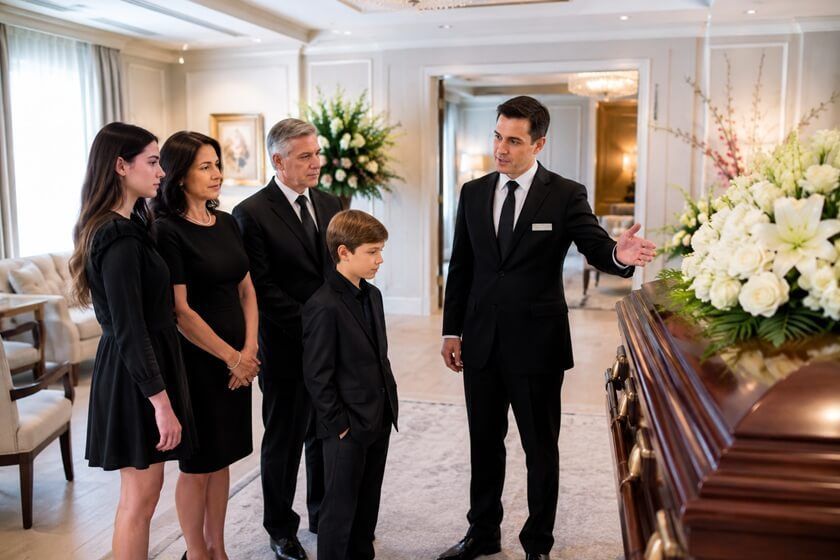
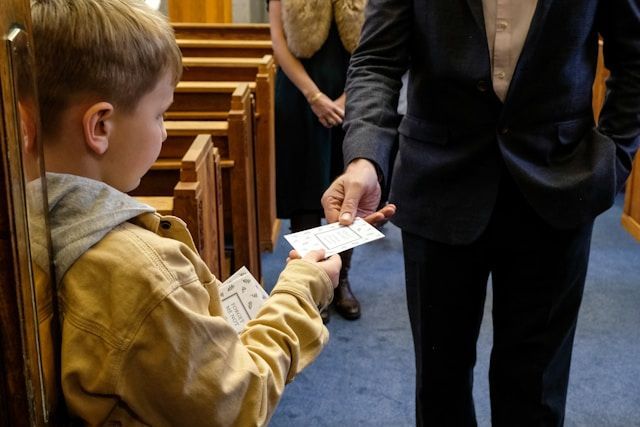
Funeral services can feel unfamiliar to children. Taking time to describe what they might see and hear can reduce anxiety. We can explain that people may be crying, sharing stories, praying, or listening to music. Letting them know it is okay to feel sad, confused, or even quiet helps normalize their reactions.
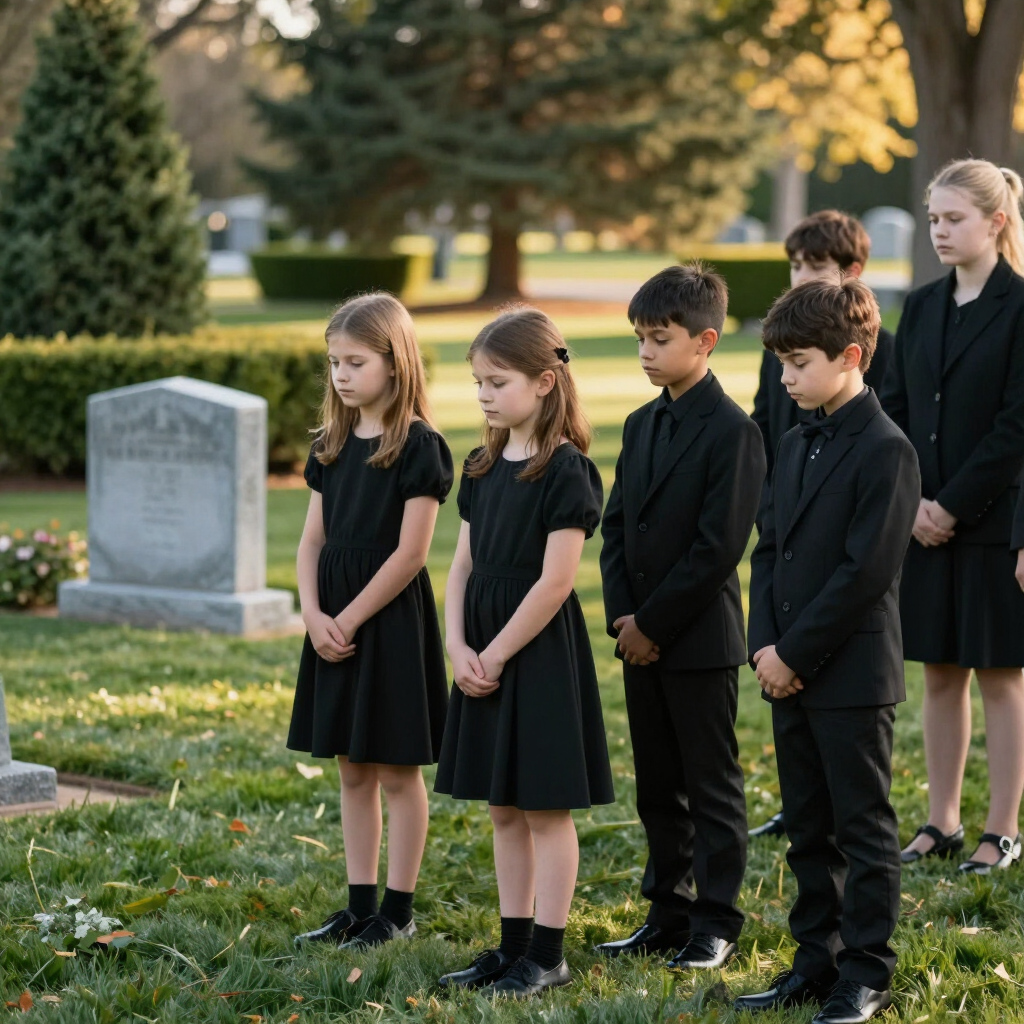
If you are unsure whether a child should attend, consider their age and personality. Many families find that participation provides closure. In our discussion of memorial gatherings for loved ones, we share how meaningful these moments can be when children are gently included, for example, by reading a short note or placing a flower.
Offering children a choice is empowering. We can let them decide whether to attend all or part of the service. Having a trusted adult available to step outside with them if needed also creates a sense of security.
For more insight into the importance of these gatherings, our thoughts on honoring a life well lived highlight how shared remembrance supports healing across generations.
Encourage Healthy Expression of Feelings
Grief does not follow a straight path, especially for children. They may move from sadness to playfulness within minutes. This does not mean they are unaffected. It simply reflects how young minds manage strong emotions in small doses.
We can encourage expression through conversation, drawing, journaling, or storytelling. Some children may create pictures of their favorite memories. Others may want to talk about what they miss most. By validating their feelings rather than correcting them, we build trust.
If a child seems withdrawn or unusually anxious, ongoing support may help. Access to structured guidance through children’s grief resources can provide age-appropriate tools that make a difference over time.
The key is presence. Sitting with a child, even in silence, communicates that they are not alone. That steady reassurance can shape how they view loss for years to come.
Maintain Routines and Provide Reassurance
After a loss, daily life may feel unpredictable. Maintaining familiar routines helps children regain a sense of normalcy. Regular bedtimes, school attendance, and family activities reinforce stability when emotions feel unsettled.
Children may also worry about their own safety or the safety of other loved ones. Gentle reassurance goes a long way. We can explain that most people live long lives and that they are cared for and protected. Encouraging open conversation about fears prevents them from building quietly in the background.
In some cases, families may need immediate guidance in planning services while also caring for their children’s emotional needs. Our team supports families during urgent times through our immediate assistance services, helping ease practical burdens so parents can focus on their children.
Consistency, reassurance, and emotional availability form the foundation of resilience.
Lead by Example
Children observe how adults respond to grief. When we allow ourselves to show emotion in healthy ways, we teach them that sadness is a natural response to loss. Saying, “I feel sad because I miss them,” models honesty without overwhelming them.
It is also helpful to share positive memories. Talking about what made a loved one special keeps their presence alive in meaningful ways. Rituals such as lighting a candle on special dates or looking through photographs together can create an ongoing connection.
Grief changes over time. By continuing conversations weeks and months after the service, we show children that remembrance is not limited to a single day. This ongoing support builds emotional strength and understanding.
Talking to children about loss may never feel easy, but it is one of the most important conversations we can have. As one of the compassionate funeral homes near McSherrystown, PA, we at Panebaker Funeral Home & Cremation Care Center, Inc. are here to support families through every step of the journey. If you would like caring guidance tailored to your family’s needs, we invite you to review our approach and values, grounded in our commitment to families, and to speak with our experienced team about how we can provide steady, compassionate support during this meaningful time.